
About Us


ABOUT DANNY PIPPIN
I've spent more than 25 years trying to understand one question:
HOW DOES GROWTH ACTUALLY WORK?
I study human behavior, influence, and the principles that drive growth. And I use what I learn to help people, teams, and businesses grow.
Because throughout my career, I've seen capable people, talented teams, and good businesses work incredibly hard and still struggle to create the growth they know is possible.
Often, the problem isn't effort.
It's understanding what's actually getting in the way.
25+
YEARS OF EXPERIENCE
12
INDUSTRIES
70+
MULTIMILLION-DOLLAR BUSINESSES LED
50+
GLOBAL BRANDS SERVED
10,000+
PEOPLE LED, TRAINED & DEVELOPED
YOU MAY KNOW THE FEELING
You're doing a lot of the right things. But something still isn't working.
The business is growing, but so is the complexity.
Your team is working hard, but you're not always moving in the same direction.
You've tried a new strategy, changed the process, or pushed harder. Some things get better. Others keep coming back.
And eventually, you find yourself wondering:
What am I missing?
You know something needs to change.
You just don't know what to change first.
EXPERIENCE
I've seen growth from a lot of different angles.
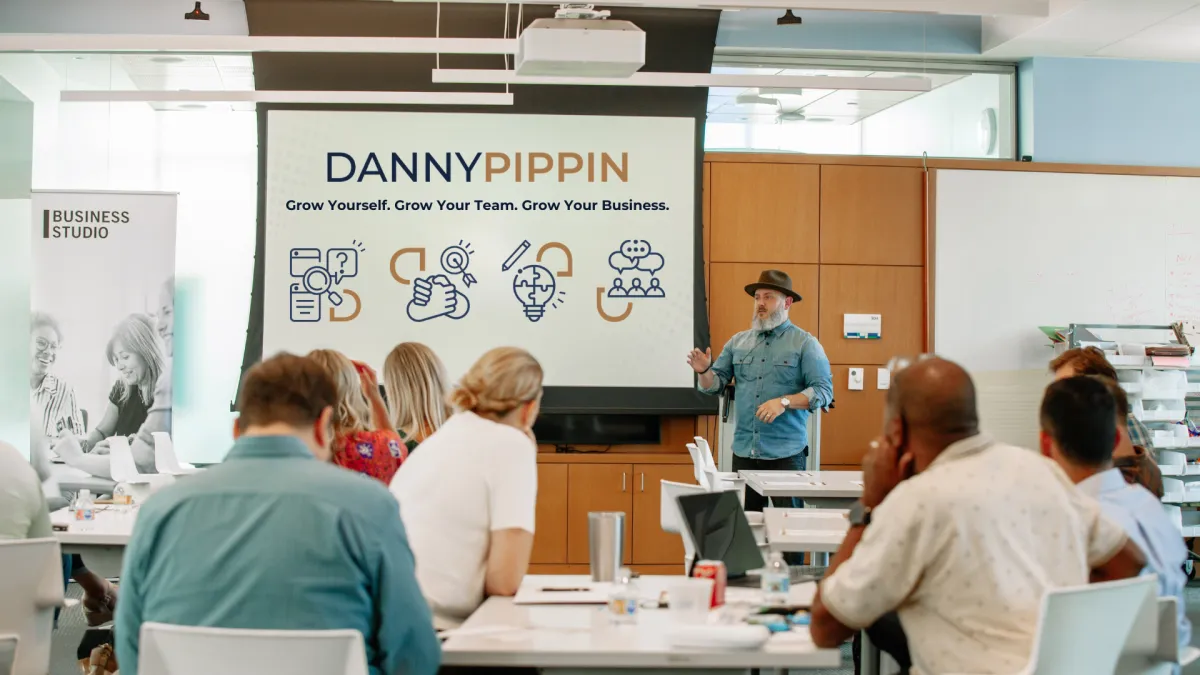
I've worked from frontline execution to executive leadership. I've built sales teams, developed leaders, led multimillion-dollar businesses, worked with global brands, advised entrepreneurs, coached executives, and facilitated leadership teams.
I've been responsible for the result and I've helped others create it.
Different roles. Different industries. Different vantage points.
And over time, I started noticing something:
The challenges were different.
But many of the patterns underneath them weren't.
THE QUESTION BEHIND THE WORK
“That's not how that works.”
Again and again, I saw people work harder, try another strategy, change the process,
or simply do more, but still not get the result they wanted.
Sometimes they were solving the wrong problem.
Sometimes they were doing the right things in the wrong order.
Sometimes they were trying to change the result without changing what was creating it.
And I kept coming back to the same question:
If that's not how it works...
how does it work?
HOW GROWTH ACTUALLY WORKS™
Growth follows principles.
That question took me deeper into the study of human behavior, influence, leadership, personal growth, organizational dynamics, and business growth.
Different disciplines. Different thinkers. Different language.
But underneath them, I kept finding principles.
That idea became How Growth Actually Works™, a philosophy and educational framework for understanding the principles that govern growth, transformation, and achievement in life and business. At its core is a simple idea: if you want to change a result, you first have to understand what's creating it.
FROM PRINCIPLES TO APPLICATION
Understanding growth is one thing.
Creating the conditions for it is another.
THE PIPPIN METHOD™
Growth compounds
through alignment.
In business, challenges that appear to be about strategy, sales, people, operations, or performance are often connected by something deeper:
Alignment.
That insight became The Pippin Method™, a business alignment methodology that helps entrepreneurs and leadership teams create clarity by aligning the critical parts of their organization so they have a clear picture of where they're going and how to get there. It helps you see how the different parts of the business affect one another, identify where misalignment is getting in the way, and focus resources where they can have the greatest impact.
EXPLORE THE PIPPIN METHOD™ →
MY WORK TODAY
Growth is connected.
The way you grow shapes the way you lead.
The way you lead shapes the way your team works.
And the way your team works shapes the business you're able to build.
Grow Yourself
Greater clarity in how you think, lead, make decisions, and move forward.
Explore Grow Yourself →
Grow Your Team
Stronger leadership, communication, collaboration, and alignment around what matters most.
Explore Grow Your Team →
Grow Your Business
Greater clarity and alignment across the critical parts of your business so you can move forward with confidence.
Explore Grow Your Business →
STILL LEARNING
I'm still asking the question.
More than 25 years into this work, I'm still studying what helps people grow, leaders lead, teams work better together, and businesses move forward.
My work has been shaped by decades of experience and continued study in human behavior, influence, leadership, personal growth, organizational dynamics, and business growth.
Along the way, I've had the opportunity to learn from and work alongside some of the world's leading voices in leadership, influence, human potential, and performance.
Because understanding how growth works isn't something I finished studying. It's the work I've chosen to keep pursuing.
My continued study includes certifications and advanced training through Maxwell Leadership, the Cialdini Institute, Working Genius, and other leading behavioral and leadership methodologies.
READY TO MOVE FORWARD?
Growth starts with understanding.
Whether you're trying to grow as a leader, strengthen your team, or create greater clarity and alignment across your business, the first step is understanding what's actually getting in the way.
Let's figure it out, together.

Grow Yourself.
Grow Your Team.
Grow Your Business.
© 2026 Danny Pippin. All rights reserved. Privacy Policy. Terms & Conditions.
READY TO MOVE FORWARD?
Unleash Your True Potential
Break free from self-doubt and step into a life filled with confidence, clarity, and purpose. Whether you're seeking growth, balance, or success, we're here to guide you every step of the way. Your transformation starts today!